We act as a commercial plumber for many local and residential businesses
Water Heater Repair & Installation in Bradenton, FL
Hot water is an essential part of modern living. From a warm shower in the morning to running the dishwasher after dinner, your water heater works silently in the background to provide comfort and sanitation. When this system fails, it is immediately noticeable and highly disruptive. At Bradenton Plumbing Pros, we specialize in comprehensive water heater repair and installation services. We are dedicated to ensuring that the residents and businesses of Bradenton have reliable access to hot water year round.
Water Heater Repair and Installation in Bradenton, Florida | Bradenton Plumbing Pros
Bradenton Plumbing Pros handles the full range of water heater work that homeowners in this part of Florida need, including same-day repair of failed or leaking units, tankless water heater installation and servicing, traditional tank replacement, pilot light and thermostat repair, sediment flushing, and emergency no-hot-water calls. We serve Bradenton and surrounding communities including Palmetto, Ellenton, Anna Maria, Cortez, Holmes Beach, and Longboat Key. Hard water is a real factor throughout Manatee County, and it accelerates mineral scale buildup inside both tank and tankless water heaters in ways that shorten performance and useful life. We diagnose thoroughly before recommending repair or replacement, and we give you an honest assessment rather than a default push toward the more expensive option. We show up when we commit to and clean up completely before we leave. Here is what to expect when you contact us.
Common Water Heater Problems We Fix
No Hot Water or Insufficient Hot Water
A home with no hot water is a genuine disruption. Cold showers, an unusable dishwasher, and the inability to run basic household tasks all follow from a water heater that has stopped working. When the issue is insufficient hot water rather than a complete absence, the unit is still operating but something in its output has changed.
Recognizing the Problem
- No hot water at any fixture despite the water heater running
- Hot water runs out significantly faster than it used to
- Water reaches a lukewarm temperature but never gets fully hot
- Hot water from only some fixtures while others stay cold
- The unit is running constantly but output temperature is low
- Hot water inconsistency that appeared gradually over weeks
The most common causes include a failed heating element in electric units, a bad thermostat, a tripped reset button, or significant sediment buildup reducing the effective tank capacity. We test the elements, check thermostat settings, and inspect the unit’s interior condition to identify the actual cause before recommending any repair or replacement.
Leaking Water Heater
A leaking water heater ranges from a slow seep at a fitting to a tank actively flooding a utility closet. The source of the leak determines the correct response. A connection or valve leak is usually a straightforward repair. A leak from the tank body indicates internal failure and requires a different response entirely.
Recognizing the Problem
- Water pooling around the base of the tank
- Moisture or rust staining on the floor beneath the unit
- Dripping or seeping from the inlet or outlet connections at the top
- Water running from the pressure relief valve discharge pipe
- Visible corrosion on the tank exterior near the seams
- A persistent damp smell near the water heater area
When we arrive for a water heater leak, the first step is locating the source precisely. A fitting leak or a valve that’s seating incorrectly can be repaired quickly. A tank body leak means the tank has corroded through internally, and no external repair will hold. In that case, replacement is the only real path forward, and we explain that clearly rather than applying a temporary fix that will fail again.
Tankless Water Heater Issues
Tankless water heaters require different diagnostic knowledge than tank units, and problems with them are often misread or misdiagnosed by technicians who don’t work on them regularly. A unit throwing error codes, cutting off mid-use, delivering inconsistent temperature, or failing to ignite at all each point to different components, and the right fix depends on reading the unit’s diagnostic system correctly rather than guessing at parts.
Recognizing the Problem
- Unit displays a fault code on the panel or remote
- Hot water cuts off after a few minutes of use
- Water temperature fluctuates significantly during a single shower
- Unit doesn’t fire when hot water is opened
- Hot water flow is significantly lower than normal
- Unit fires briefly then shuts off repeatedly
We work on tankless units from the major manufacturers and read their diagnostic systems to identify the actual failing component. Common issues include scale buildup in the heat exchanger, failed flow sensors, ignition component problems in gas units, and venting restrictions. Mineral scale from hard water is the leading cause of declining tankless performance, and a proper descaling flush often resolves what looks like a mechanical failure.
Rusty or Discolored Hot Water
Rust-colored or orange-tinted hot water indicates that something metal in the water heating system is corroding. The problem affects water quality and points toward components approaching failure. In most cases, the discoloration appears specifically in the hot water, which helps locate the source.
Recognizing the Problem
- Hot water from any fixture has an orange, rust, or brown tint
- A metallic taste in hot water that wasn’t there before
- Rust-colored water only when hot water runs first thing in the morning
- Discoloration that improves after running the hot side for a minute
- Visible rust flakes or sediment in hot water from fixtures
- The problem is consistent across multiple fixtures but only on the hot side
Rusty hot water most often comes from a degraded anode rod, advanced tank corrosion, or in older homes, galvanized supply pipe carrying iron particles. We identify which source is responsible and recommend the appropriate fix, whether that’s an anode rod replacement, a flush, or a supply pipe evaluation.
Strange Noises from Water Heater
A water heater making rumbling, popping, or hissing sounds indicates something inside has changed. These sounds are not normal and tend to worsen if ignored. They’re common in homes with hard water where mineral deposits accumulate on elements and at the tank bottom, producing thermal cracking sounds during the heating cycle.
Recognizing the Problem
- Rumbling or low booming sound during the heating cycle
- Popping or crackling sounds when the unit is heating
- A hissing sound from around the unit or from a valve
- Banging that occurs after the unit shuts off
- Sounds that have increased in volume or frequency over time
- Gurgling that follows the end of a heating cycle
Rumbling and popping almost always indicate sediment on the tank bottom or heating elements. The fix is a thorough flush and element replacement if deposits have caused damage. Hissing from a valve area suggests a releasing pressure relief valve, which needs immediate attention. We identify the specific source before recommending any action.
Pilot Light Problems on Gas Water Heaters
A gas water heater pilot that won’t light or won’t stay lit has several possible causes. The pilot system is safety-critical, and improper troubleshooting can introduce risks. If the unit smells of gas, leave the building immediately.
Recognizing the Problem
- Pilot light won’t ignite when following the unit’s relighting procedure
- Pilot lights but goes out again within seconds or minutes
- A clicking ignition that doesn’t produce a flame
- The unit’s status light indicates a pilot or ignition fault
- Visible flame is present but smaller and more orange than normal
- The unit works intermittently and you’ve had to relight the pilot repeatedly
The most common causes of pilot failure are a degraded thermocouple that can no longer sense the pilot flame and hold the gas valve open, a dirty or blocked pilot orifice, or a failing gas valve. If you smell gas or suspect a gas leak, go outside immediately and call 911 – this is a serious emergency that needs urgent attention from the gas company. For pilot issues without a gas smell, we test the thermocouple, inspect the pilot assembly, and replace the appropriate component rather than defaulting to full unit replacement when the issue is a serviceable part.
Water Heater Not Turning On
A completely unresponsive water heater can have electrical, electronic, mechanical, or gas supply causes. The starting point varies by unit type, and skipping diagnostic steps leads to replacing parts that aren’t actually at fault.
Recognizing the Problem
- No heating, no pilot activity, no indicator lights on the unit
- Electric unit has no response after checking the breaker
- Gas unit shows no activity and the pilot won’t engage
- The unit’s display panel is blank or unresponsive
- Control panel shows a lockout fault that won’t reset
- The unit worked yesterday and simply stopped today without explanation
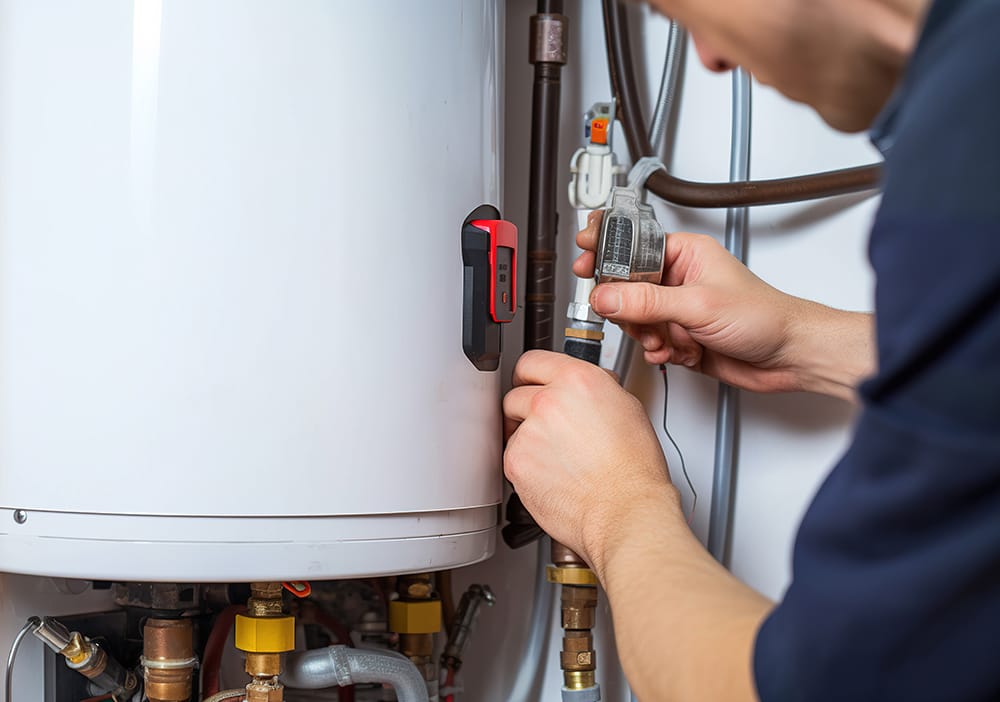
For electric units, a tripped breaker or blown high-limit switch are the most common starting points. For gas units, we check the thermocouple, gas supply, ignition system, and control valve in sequence. Modern water heaters store fault history in their electronic controls, and we read it before recommending any parts.
Sediment Buildup and Poor Performance
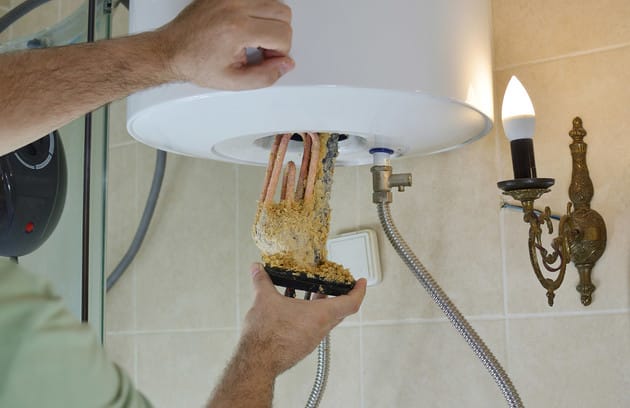
Sediment accumulation is one of the most common and most overlooked causes of poor performance and premature water heater failure. Calcium and magnesium deposits accumulate at the tank bottom, insulating the heating elements and forcing the unit to run longer for the same output temperature. The mineral content of the local water supply accelerates this process.
Recognizing the Problem
- Hot water runs out faster than it did a year or two ago
- Energy consumption has increased without a change in usage
- Unit runs significantly longer per heating cycle than it used to
- Visible scale deposits around fittings, valves, or drain at the base
- Heating sounds that have worsened progressively over months
- Water heater is less than ten years old but performing like it’s much older
Annual flushing removes accumulated sediment before it hardens into a solid mass that can’t be cleared without damaging the tank. We flush the tank, inspect the anode rod condition, test element performance in electric units, and assess whether the unit’s overall condition warrants continued maintenance or points toward replacement. For tankless units, descaling the heat exchanger is equally important in hard water areas.
Water Heater Repair vs Replacement
Repair makes sense when the unit is under ten years old and the failure is a specific component. A failed heating element in a seven-year-old electric unit is a good repair candidate. A thermocouple, thermostat, or pressure relief valve that’s seating incorrectly are all repairs that restore full function without a new unit.
Replacement makes more sense when the tank body is leaking, which indicates corrosion that no surface repair will hold, when a unit is twelve or more years old experiencing its first significant failure, or when additional failures are likely to follow quickly. Paying for a significant repair on a unit that will need replacement within a year is rarely the right call.
In hard water areas, sediment accumulation accelerates aging in both tank and tankless units. We assess sediment condition as part of every diagnostic visit so our recommendation reflects the actual state of the unit. When we recommend replacement, we explain why. When we recommend repair, we tell you how much useful life to expect.
Tankless Water Heater Installation and Repair
Tankless water heaters provide continuous hot water without a storage tank, use less energy between uses, and take up less space than tank units. They’re well suited to households with high demand or variable usage patterns.
Tankless performance depends on correct installation. Undersizing for simultaneous demand is the most common error and produces exactly the complaints about inconsistent hot water that make homeowners question whether tankless was the right choice. Proper sizing accounts for simultaneous outlets, Florida’s incoming water temperature, and the flow rates of the home’s fixtures.
Gas tankless units require adequate gas supply volume and correct venting. An undersized gas line or improper venting produces performance problems that appear shortly after installation. We size and install correctly from the start and don’t skip the verification steps that prevent these problems.
For existing tankless units that are having problems, descaling the heat exchanger is the most commonly needed service given this area’s hard water. A heat exchanger clogged with mineral scale reduces efficiency, triggers error codes, and eventually causes the unit to shut down. Annual maintenance that includes a descaling flush keeps the unit performing as it should and extends its service life significantly.
Water Heater Installation Services
Water heater installation involves more than connecting the unit and turning it on. We follow a consistent process that ensures the installation is safe, correct, and set up for long-term performance.
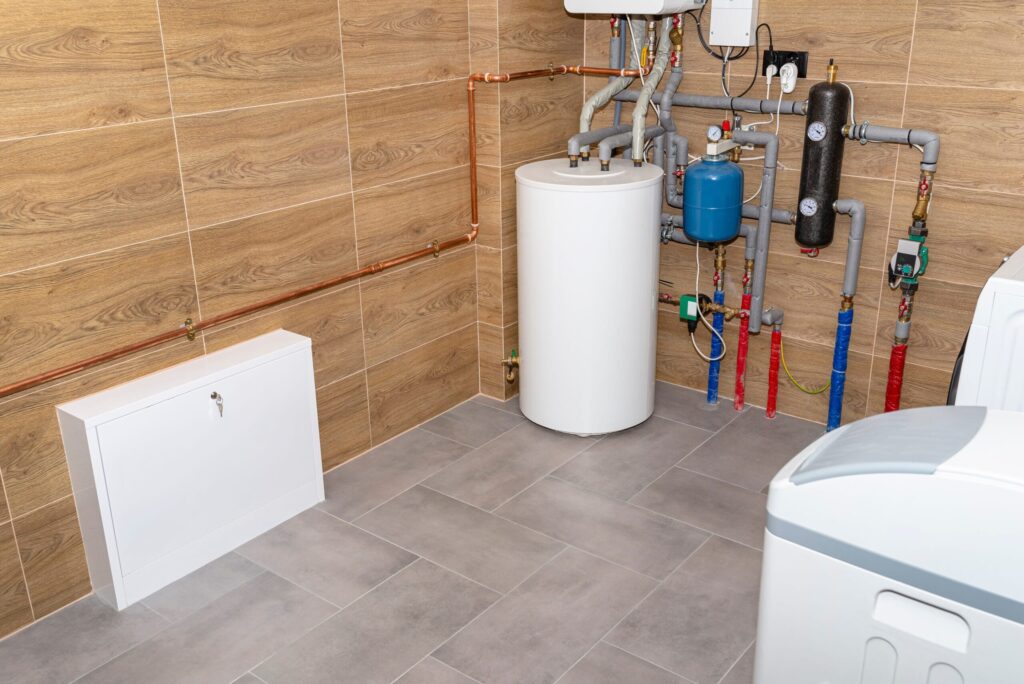
We assess the installation space, existing connections, and the infrastructure the new unit will connect to. For tank replacements, that includes supply lines, shutoff valves, venting, and electrical connections. For tankless, it includes gas supply capacity, venting requirements, and electrical demands.
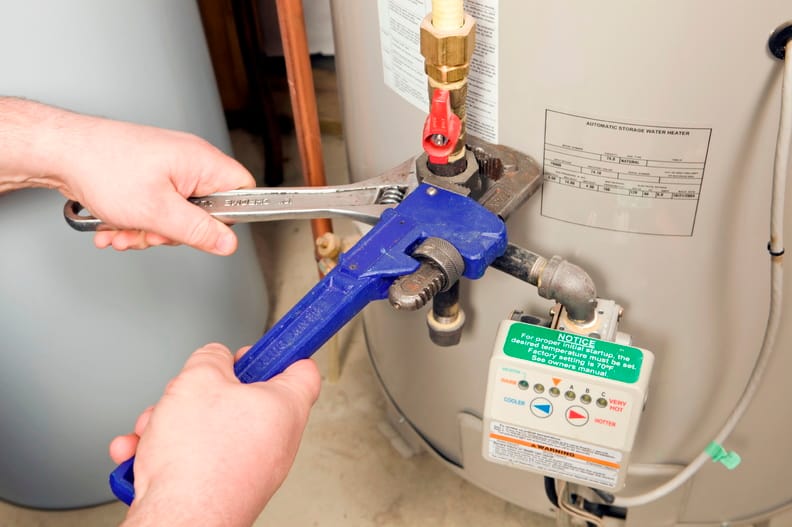
We remove the old unit, make necessary connection upgrades, install the new unit, and verify all connections before commissioning. Tank units are filled completely, air is purged, and temperature and pressure relief valve function is confirmed. Tankless units go through the full manufacturer commissioning sequence including temperature setting, gas pressure verification, and venting confirmation. We clean up and walk you through basic operation before leaving.
Why Homeowners in Bradenton Choose Bradenton Plumbing Pros
Local Expertise with Area Homes and Water Conditions
We work in this area regularly and understand the factors that affect water heater performance here. Hard water throughout Manatee County is the biggest accelerant of both tank and tankless problems, and we factor that into every diagnosis and installation recommendation. When we assess a unit in an older home here, we know what the water conditions do to components over time, and our recommendations reflect that.
Meticulous Diagnostics and Root-Cause Fixes
We diagnose the actual cause of a water heater problem before recommending a repair or replacement. That sounds obvious, but in practice it means we don’t replace a water heater because it showed up as the likely suspect. We test elements, measure thermocouple output, read fault codes, and check sediment levels before drawing conclusions. On a recent call where a homeowner was told the tankless unit needed replacement, a descaling flush and flow sensor cleaning restored full function. Getting the diagnosis right saves the homeowner the cost of an unnecessary replacement.
Respect for Your Home and Family During the Job
Water heater work usually happens in a utility closet or tight garage space. We work carefully in those areas, contain drainage during a tank replacement, and clean up completely before leaving. We explain what we’re doing throughout so you’re not left guessing about the status of your hot water. In homes with older finishes or tight utility layouts, we take extra care to avoid creating collateral damage.
Skilled with Both Traditional and Tankless Systems
We work on gas and electric tank units, condensing and non-condensing tankless units, and heat pump water heaters. Tankless units require specific knowledge of the manufacturer’s diagnostic systems, and we have it. A technician who rarely works on tankless units will struggle with fault code diagnosis. We work on both types regularly and don’t encounter either as unfamiliar territory.
Fast Same-Day Response When You Need Hot Water Now
A failed water heater is not something most households can work around for several days. We offer same-day water heater service when scheduling allows, and we prioritize no-hot-water situations in our scheduling because we know how disruptive they are. We carry parts for the most common repair scenarios and stock the most frequently replaced tank configurations so we can often complete a water heater replacement in a single visit without waiting for parts or a delivery window.
Our Water Heater Service Process
1. You Reach Out
You contact us and describe the problem, including unit type, fuel type, and symptoms. That lets us prepare and bring the right diagnostic tools and likely repair parts before arriving.
2. We Schedule and Arrive
We schedule a visit that fits your availability and give you a specific arrival window. For no-hot-water situations, we prioritize scheduling as soon as possible. We arrive at the committed time and reach out proactively if anything changes the timing.
3. Thorough Diagnosis and Clear Explanation
We test components, check sediment levels, read fault codes, and inspect connections before making any recommendation. We explain what we found and why we’re recommending repair or replacement before any work begins.
4. Repair or Installation
We complete the repair or installation to the standard the unit type requires. Gas connections are pressure-tested before commissioning. For electric units, we verify breaker capacity and wiring before connecting. We don’t cut corners in the commissioning process.
5. Final Testing and Cleanup
We run the unit through a full cycle, confirm output temperature, check all connections for leaks, verify safety valve function, and walk you through the basic operation before leaving. We clean up the work area completely, including removing the old unit if a replacement was performed.
Water Heater Service Area in and Around Bradenton
We provide water heater repair, replacement, and installation throughout the area and surrounding Manatee County communities. We serve the full range of residential properties in the area, from older homes with original tank units that have never been replaced, to newer construction east of town with tankless systems installed by the builder.
- Palmetto
- Ellenton
- Parrish
- Anna Maria
- Cortez
- Holmes Beach
- Bradenton Beach
- Longboat Key
- Sarasota
- Lakewood Ranch
- Oneco
- Rubonia
Local service means understanding that hard water affects every unit differently than in a softer water market. We serve this area consistently and show up prepared rather than learning as we go.
Professional Water Heater Repair vs DIY
Some basic tasks are manageable for a careful homeowner: relighting a pilot following the printed instructions, resetting a tripped high-limit switch on an electric unit, or adjusting the thermostat. Most water heater work goes well beyond those tasks and involves risks that aren’t obvious until something has gone wrong.
Gas water heater repairs involve working with gas supply lines, gas valves, and combustion components. An improperly reinstalled gas connection or a component that wasn’t tested after replacement can produce a slow gas leak in an enclosed utility space. If you smell gas or suspect a gas leak, go outside immediately and call 911 – this is a serious emergency that needs urgent attention from the gas company. Gas water heater work requires pressure testing after every repair to confirm safety.
Electric water heater work involves 240-volt circuits in a wet environment. The risk of shock during element replacement or thermostat repair is real if the circuit isn’t properly isolated and confirmed dead before work begins. A standard outlet tester is not sufficient safety verification for this work.
Sediment flushing involves managing very hot water discharge, and flushing a tank with heavily compacted sediment can dislodge deposits that block the drain valve. Tankless descaling requires the correct bypass configuration and manufacturer procedure for each brand, and using the wrong process can damage the heat exchanger or flow sensors.
Getting water heater work right from the beginning prevents the secondary costs of fixing an incorrect repair and the risks from improperly handled gas or electrical connections.
Plumbing Pro Services
Complete Plumbing Care for Your Entire Home
Whether it’s the kitchen, bathroom, or sewer line, we have the tools and training to handle any challenge your plumbing system throws at us.
We Deliver Expert Results
Don’t gamble with your plumbing. We combine years of experience with modern technology to deliver lasting repairs and installations. Our team respects your time and your property.
- Fixture Installation
- Leak Detection
- Modern Diagnostics
- Drain Cleaning
Frequently Asked Questions About Water Heater Service
Water heater repair in Bradenton?
Yes. We handle water heater repair for all unit types, including gas and electric tank units, tankless systems, and heat pump water heaters. We offer same-day service in Bradenton when scheduling allows, and we prioritize no-hot-water situations. We diagnose the actual cause before recommending any repair so you know what’s being fixed and why before we start.
How much does water heater replacement cost in Bradenton?
The total depends on unit type, size, fuel type, and what the existing installation requires. A straightforward tank-for-tank replacement in an accessible location involves different labor and material than a conversion from tank to tankless. We assess the full scope when we arrive and give you a clear picture of what’s involved before any work begins. Contact us to describe your situation and we can give you a realistic sense of what to expect.
Do you install tankless water heaters in Bradenton?
Yes. We install and service tankless water heaters throughout the area. Proper sizing, adequate gas supply for gas models, correct venting, and accounting for the area’s hard water conditions are all part of how we approach every tankless installation. We don’t install a unit and leave without confirming it’s performing correctly for the household’s actual demand.
What should I do if I have no hot water?
For electric units, check the breaker first. If it’s on and the unit isn’t heating, call us. For gas units, check whether the pilot has gone out and follow the relighting instructions on the unit. If the pilot won’t stay lit, call us. If you smell gas, leave immediately and call 911. We offer same-day service for households with no hot water.
How long does water heater installation take?
A standard tank replacement in an accessible location typically takes two to four hours. A tankless installation requiring new gas lines, venting modifications, or electrical upgrades takes longer, often four to six hours depending on scope. We give a realistic time expectation when we assess the job before starting.
Do you work on older homes in Bradenton?
Yes. Many homes we service were built in the 1950s through 1970s with aging infrastructure around the water heater, including original shutoffs, older venting, and supply connections that need attention before a new unit is installed. We assess those conditions and handle whatever needs to be addressed rather than installing a new unit on a compromised foundation.
What are the signs my water heater needs to be replaced?
The clearest sign is a leak from the tank body itself, indicating internal corrosion that can’t be repaired. Other indicators include a unit twelve or more years old experiencing its first significant failure, persistent rust-colored hot water despite maintenance, or a repair cost that approaches replacement cost. We give an honest assessment of whether repair or replacement makes more sense for your specific unit.
Is there a plumber near me who can repair a tankless water heater?
Yes. If you’re in Bradenton or the surrounding area, tankless water heater repair and maintenance is a service we provide regularly. Descaling, flow sensor repair, ignition component replacement, and error code diagnosis are all part of our tankless service work. Many tankless problems that seem like unit failures are actually maintenance issues that a proper flush and inspection resolve without requiring replacement.
What causes a gas water heater pilot light to keep going out?
The most common cause is a degraded thermocouple that can no longer hold the gas valve open. A dirty pilot orifice or a draft from nearby vents can also extinguish the pilot. We test the thermocouple, inspect the pilot assembly, and identify the specific cause before replacing any components.
How often should a water heater be flushed in Bradenton?
Annual flushing is the right interval for most homes in this area given the hard water. Mineral scale builds up faster here than in softer water markets, and a unit that hasn’t been flushed in several years will have significant accumulation affecting both performance and longevity. For tankless units, annual descaling of the heat exchanger is the equivalent maintenance step and is equally important.
Can sediment damage a water heater permanently?
Yes. Heavy sediment that hardens at the tank bottom can’t be flushed out and insulates the heating elements until they fail. In severe cases, the tank itself is damaged by prolonged overheating. Annual maintenance prevents this. A unit with advanced accumulation may still have useful life with a proper flush and element replacement, or it may be too far gone for maintenance to help.
Bradenton Plumbing Pros: Water Heater Experts Serving Bradenton and the Surrounding Area
Bradenton Plumbing Pros provides water heater repair, replacement, and installation throughout this part of Florida. Whether you’re dealing with a failed tank, a tankless system throwing error codes, rusty hot water, or a complete loss of hot water, we diagnose correctly and get the work done right. We serve Palmetto, Ellenton, Anna Maria, Cortez, Holmes Beach, Longboat Key, and the broader Manatee County area.
Reach out to us for assistance.
Zip codes we serve: 34201, 34202, 34203, 34205, 34206, 34207, 34208, 34209, 34210, 34211, 34212, 34215, 34216, 34217, 34218, 34219, 34220, 34221, 34222, 34228